Key Takeaways for Australian Sourcing Teams
- Direct Factory Access: Australian buyers attend clothing trade shows to connect directly with manufacturing principals, eliminate broker markups, physically verify fabric hand-feel, and negotiate production terms.
- Versatile Product Categories: Popular sourcing categories in Australia include heavyweight streetwear fleece (400+ GSM), vintage washed denim, and everyday smart basics, with extensive private label and OEM customisation.
- Structured Evaluation Process: Commercial success depends on bringing technical garment packs, asking precise questions regarding MOQs and lead times, and systematically managing sample approvals before issuing purchase orders.
Why Australian Buyers Use Clothing Trade Shows for Sourcing
Finding the right apparel manufacturer is the foundation of any profitable fashion brand or retail business. Pakistan's apparel manufacturing is concentrated in a small number of established clusters — Karachi and Lahore for denim, knitwear and general apparel, Faisalabad for yarn and fabric — and suppliers sourced through PakistanLiveStyle's Australia programme draw on these regional specialisations.
Industry Guidance Online supplier profiles can provide useful initial information, but they cannot replace physical product assessment. Buyers can use exhibitions to inspect samples, discuss specifications and assess whether a supplier's capabilities match their requirements.
A trade exhibition changes this dynamic entirely. Sourcing events give Australian retail buyers, boutique owners, and private-label founders the opportunity to inspect finished garments firsthand, examine seam construction, compare fabric weights, and discuss technical capabilities directly with the factory directors who control the sewing lines.
Instead of navigating multi-tiered broker networks and trading houses that can meaningfully add to your ex-factory price, in-person trade shows allow you to assess whether an overseas manufacturer's technical infrastructure, machinery, and compliance standards align with your brand's commercial expectations.
Meeting a supplier is the first qualification step
- Confirm product capability against your specification
- Review physical samples, not just photographs
- Ask about MOQ and what it actually applies to
- Confirm the production process and lead time
- Request formal costing in writing
- Approve samples before committing to bulk production
Furthermore, Australian retail cycles—operating on southern hemisphere seasonal timing—require proactive planning. Meeting overseas manufacturers at Australian exhibitions ensures direct alignment on seasonal cut-offs, shipping windows into Australian ports (Sydney Port Botany and Melbourne Port), and southern hemisphere delivery schedules.
What You Can Source at an Apparel Trade Show
From high-volume commercial basic tees to intricate bespoke denim washes and premium heavyweight streetwear, international manufacturers visiting Australia specialise in a wide spectrum of ready-made apparel categories. For a detailed breakdown of hoodies, T-shirts, fleece, knitwear and streetwear specifications, see the dedicated knitwear and streetwear sourcing guide.

Streetwear & Heavyweight Fleece
Oversized hoodies, relaxed track pants, dropped-shoulder silhouettes, and boxy tees. Overseas knit specialists can mill 400 to 500 GSM diagonal loopback French terry, loopwheel fleece, and high-density brushed cottons.
Source Streetwear
Denim & Washed Garments
Rigid and stretch jeans, trucker jackets, denim overshirts, and utility skirts. Inspect wash consistency, laser whisker patterns, stone washes, ozone finishing, and heavy-duty brass rivet hardware.
Source Denim
Casualwear & Smart Basics
Combed cotton crewneck t-shirts, pique polos, linen-blend casual shirts, twill chinos, and everyday essentials. Focus on fabric colourfastness, shrinkage control, and consistent repeat dye lots.
Source BasicsHow to Evaluate Private-Label Apparel Manufacturers
For private-label and OEM (Original Equipment Manufacturer) programs, you are not simply buying stock items off a shelf; you are entering into a technical manufacturing partnership. A reliable factory must demonstrate mastery across every stage—from tech pack pattern interpretation and rapid prototype sampling to bulk textile knitting/weaving, dyeing, cutting, sewing, and final quality inspection.
A structured evaluation approach allows Australian buyers to compare suppliers systematically and avoid costly delivery delays or off-spec garments. For a full breakdown of private-label and OEM customisation, MOQ structures and the production process, see the dedicated private-label and OEM apparel manufacturing guide.
How MOQ Tends to Work Across Factory Tiers
There is no single MOQ that applies across the industry — it depends on the specific factory, the fabric being used, and how much customisation is involved. That said, buyers commonly see a general pattern in how suppliers structure their minimums.
| Buyer Profile | What's Commonly Reported | Production Flexibility & Fabric Source |
|---|---|---|
| Emerging & Independent Labels | Suppliers in the market often mention smaller minimums for stock-supported fabrics — always confirm the exact figure with each factory. | Utilises running stock-supported fabrics; full customisation on screen printing, embroidery, neck labels, and packaging trims. |
| Growing Boutique Brands | Mid-range minimums are typical once custom dyeing or finishing is requested, though this varies by supplier. | Custom Pantone yarn dyeing, customised fabric finishes (e.g. silicone wash, carbon brush), and bespoke pattern grading. |
| Commercial Retailers & Department Chains | Larger minimums are generally expected at this volume, reflecting dedicated production lines and bespoke fabric runs. | Bespoke fabric knitting/weaving, dedicated production assembly lines, automated cutting, and highest volume price efficiency. |
Treat any MOQ figure you hear — from this guide or any supplier — as a starting point for a conversation, not a fixed rule. Ask exactly what the quoted minimum applies to (style, colour, fabric run or total order) before comparing suppliers.
What to Discuss in a Manufacturer Meeting
Trade show booths are fast-paced environments. To cut through marketing claims and evaluate a supplier’s true technical capability, arrive prepared with specific technical and commercial questions:

Fabric Sourcing & Weight Specifications
Do you knit/weave your own fabrics in-house or source greige from external partner mills? What yarn counts (e.g., 20s, 30s, 40/2) and GSM ranges do you regularly run?
MOQ Breakdown Structure
Does your quoted minimum order apply per style, per colourway, or per fabric batch? Can the total volume be split across standard Australian size curves (XS–XXL)?
Sampling Lead Times & Costs
What is your turnaround time for initial proto/fit samples? (Industry-wide, this commonly runs around 7–14 days, but ask for your specific factory's timeline.) What is your sample fee policy, and are development costs credited against bulk orders?
Bulk Production Ex-Factory Lead Times
What is the lead time from Pre-Production (PP) sample approval to final ex-factory dispatch? How do you manage capacity during peak seasonal rushes?
Quality Control & AQL Standards
Do you inspect according to AQL 2.5/4.0 standards? What are your internal in-line inspection gates, and do you welcome third-party audit firms (SGS, Intertek, QIMA)?
Incoterms & Shipping to Australia
Do you quote FOB (Karachi, Colombo, Chittagong), CIF (Sydney, Melbourne, Brisbane), or DDP? Have you previously handled customs clearance into Australia?
Social & Environmental Compliance
Which certifications does your facility hold? (OEKO-TEX Standard 100, GOTS organic cotton, WRAP, BSCI, Sedex SMETA, or ISO 9001).
Payment Terms & Escrow Options
What are your payment milestones for initial orders (typically 30% deposit with 70% balance payable upon Bill of Lading copy post-inspection)?
Sydney and Melbourne Apparel Sourcing Opportunities
Australia’s apparel sourcing activity is heavily concentrated in Sydney and Melbourne, each catering to distinct segments of the fashion and retail ecosystem.
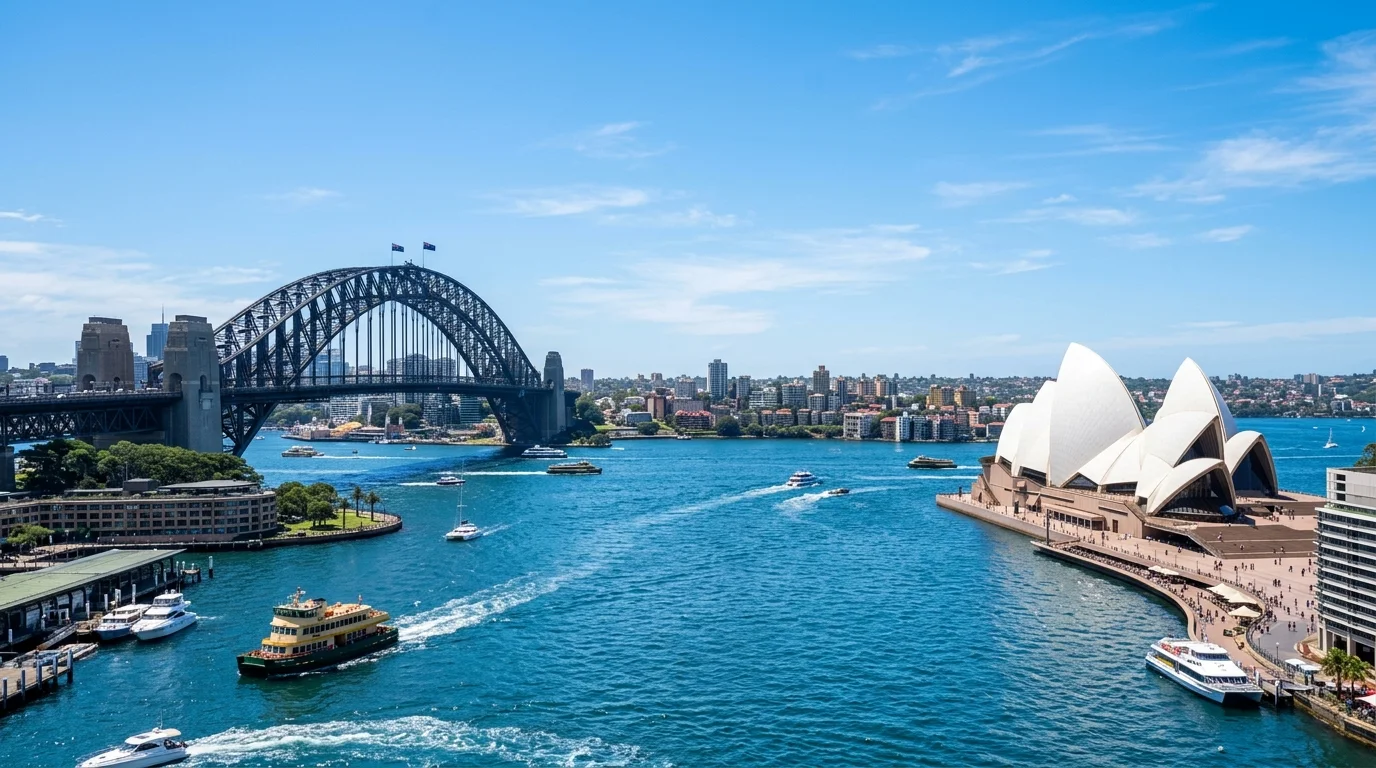
Sydney Sourcing & Retail Buying
Sydney serves as the corporate headquarters for Australia's major fashion retail conglomerates, multi-store chains, and buying groups. International sourcing expos held at the International Convention Centre Sydney (ICC Sydney) in Darling Harbour provide direct access to large-volume procurement managers.
View Sydney 2027 Event Details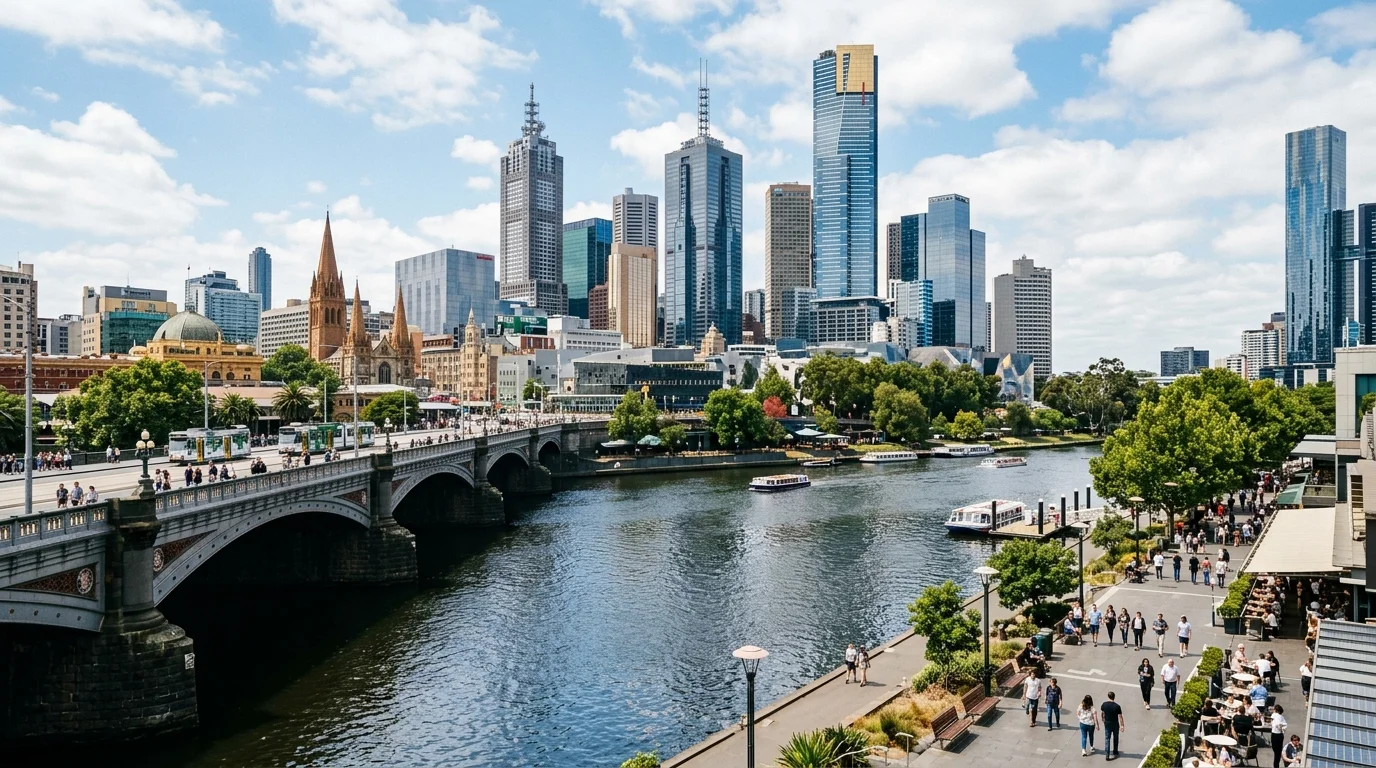
Melbourne Creative & Streetwear Scene
Renowned as Australia’s fashion capital, Melbourne is home to an expansive community of independent streetwear labels, boutique designers, and direct-to-consumer fashion entrepreneurs. The Melbourne Convention and Exhibition Centre (MCEC) hosts major global sourcing expos each November.
View Melbourne 2027 Event DetailsPakistanLiveStyle Australia 2027: As part of our international expansion connecting verified South Asian manufacturers with global markets, PakistanLiveStyle is preparing its 2027 bilateral trade exhibition program in Sydney and Melbourne. The event will showcase premier Pakistani textile and garment manufacturers across knitwear, denim, woven apparel, and home textiles. Exact exhibition dates and venue allocations will be announced on our Australia Sourcing page once finalised.
Preparing for an Australian Apparel Trade Show
Approaching a trade exhibition without preparation often leads to disjointed conversations and wasted time. Successful fashion buyers treat the trade show as an operational milestone:
1. Product Brief & Tech Packs
Print or load onto tablets clear measurement charts, grading sheets, target fabric weights, and reference garment photos.
2. Supplier Question Checklist
Have your MOQ thresholds, target FOB price brackets, and seasonal delivery timelines clearly defined before initiating talks.
3. Pre-Book Key Booth Meetings
Review the exhibitor directory 2–3 weeks prior to the event and reach out to factory representatives to reserve dedicated time.
4. Swatch & Follow-up Protocol
Bring staplers and labels to immediately attach business cards and pricing notes directly to fabric swatches gathered at booths.
From Trade Show Meeting to Production
What happens after the exhibition determines whether your booth meeting turns into a commercial delivery. In broad terms, this runs from post-show follow-up and tech-pack submission, through fit and colour sampling, to a pre-production sample sign-off, bulk production with quality checks, and final inspection before freight dispatch.
The exact stages, timings and quality standards a supplier follows vary by factory — for the full step-by-step production process, including what happens at each stage and what to check along the way, see the dedicated private-label and OEM apparel manufacturing guide.
Frequently Asked Questions About Clothing Trade Shows in Australia
Answers to common questions Australian fashion brands and sourcing teams ask when evaluating manufacturers.
Australia’s primary international apparel sourcing events include the Global Sourcing Expo (held annually in Melbourne and Sydney) and dedicated international buyer showcases such as the China Clothing Textiles & Accessories Expo at ICC Sydney. In addition, PakistanLiveStyle is preparing its 2027 bilateral Australia trade exhibition programme in Sydney and Melbourne, connecting Australian fashion brands directly with verified overseas apparel manufacturers.
Yes. Trade exhibitions eliminate intermediary trading houses and brokers by bringing factory principals, technical directors, and export managers directly to Australia. Buyers can inspect physical fabric swatches, garment construction, wash quality, and production capabilities in face-to-face booth meetings.
Yes. There is no fixed MOQ across the industry — larger commercial retailers typically negotiate higher-volume runs, while many specialised overseas manufacturers accommodate independent and emerging labels with smaller minimums, especially when selecting in-stock fabrics or seasonal running yarn programs. Always confirm the exact figure directly with each supplier.
Yes. Factory sampling typically follows a structured protocol: 1) an Initial Proto/Fit Sample based on your tech pack — proto and fit samples commonly take around 7–14 days industry-wide, though this varies by factory workload and garment complexity, 2) lab dips for custom Pantone colour approval, and 3) a Pre-Production (PP) Sample with full custom trims, labels, and packaging prior to bulk cutting. Confirm the exact timeline with your supplier before planning around it.
To receive accurate FOB or CIF quotes and gauge factory fit, bring detailed tech packs (garment measurements, grading charts and fabric GSM specifications), a physical reference garment or fabric swatch showing the construction and finish you want matched, estimated order volumes per style/colour, target retail price points, and desired delivery windows.
MOQ structures depend on fabric availability. Custom-milled fabrics (such as bespoke jacquards or custom yarn-dyed stripes) generally require higher minimums than stock-supported fabrics like standard French terry or denim weights, where manufacturers can often divide the MOQ across multiple colourways or styles. Ask each supplier what their minimum specifically applies to before comparing quotes.
Full OEM / private-label production includes custom woven or satin neck labels, recycled polybags, branded hangtags, engraved buttons/zippers, and specialised decorations such as high-density screen printing, puff prints, direct-to-garment (DTG), chenille embroidery, and vintage ozone washes.
Establish clear Acceptable Quality Limit (AQL) standards in your purchase agreement — AQL 2.5 for major defects and 4.0 for minor defects is the widely used industry benchmark under the ANSI/ASQ Z1.4 sampling standard (the equivalent of international standard ISO 2859-1). Ensure your agreement includes inline inspections and a final random inspection (FRI) conducted either by your own team, the factory's QA department, or an independent third-party inspection firm — well-known agencies in this space include SGS, Intertek and QIMA, though PakistanLiveStyle has no commercial relationship with any of them and this is not an endorsement.
Take Your Apparel Brand to the Next Level
Whether you are an Australian fashion buyer looking for verified, direct-from-factory apparel manufacturers, or an exporter seeking to exhibit in Sydney and Melbourne, PakistanLiveStyle provides end-to-end support.